 Musei nazionali di Perugia – Direzione regionale Musei nazionali Umbria
 ANANI
Anani
Un’urna per due e la musica degli Etruschi
Nella necropoli del Palazzone, fra 1843 e 1848, furono scoperte due tombe appartenenti alla stessa famiglia, vissuta nel II-I sec. a.C.
Delle 15 urne presenti, 12 si sono conservate e 9 sono esposte sui gradoni dell’Ipogeo.
Potremmo ipotizzare che inizialmente fossero previsti ipogei di soli uomini e di sole donne, usanza attestata anche altrove nelle necropoli perugine, ma devono essere subentrate considerazioni di altra natura, perché la tomba più piccola ospita tre donne tutte con il prenome Fasti (22) e il marito di una di queste (Arnth Anani marito di Fasti Lachumni); la più grande, prevalentemente maschile, una sepoltura bisoma, con entrambi i coniugi (63).
Il figlio di Arnth Anani e Fasti Lachumni, sepolti nell’ipogeo più piccolo, Larth (6), e il nonno di questi (padre del marito di Fasti), erano nella tomba più grande. In quest’ultimo caso, trattandosi di un ipogeo prevalentemente di uomini, è estremamente difficile ricostruire l’albero genealogico per intero, ad eccezione dell’individuazione di coppie di fratelli.
Le urne della famiglia Anani sono in genere piuttosto semplici, raramente con decorazioni come nel caso dell’urna 22 (di Fasti L(a)ch(umni) Cemuriś puia) con sulla cassa una testa di gorgone tra due anfore. Come noto la testa recisa di Medusa, donata da Perseo ad Atena, continua a pietrificare con lo sguardo e a simboleggiare la morte stessa, ma posta dalla dea sulla propria corazza diventa un’arma invincibile e una potente protezione per dei, uomini ed eroi.
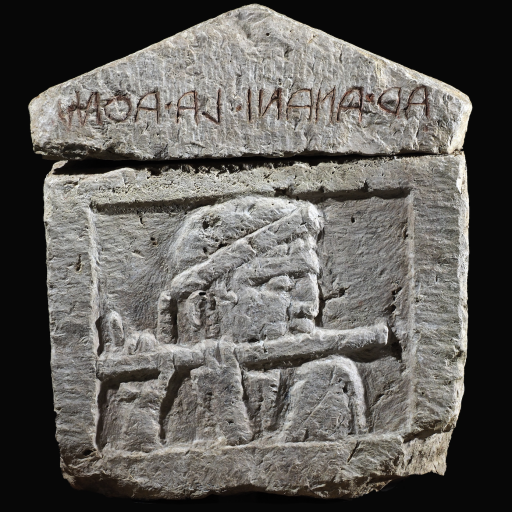
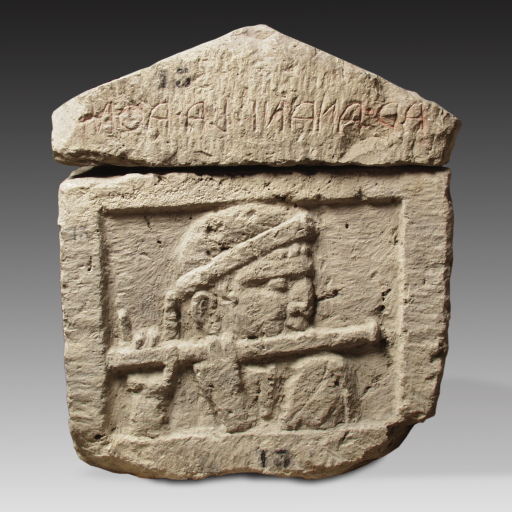
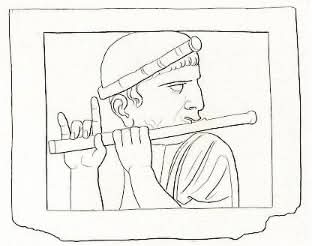
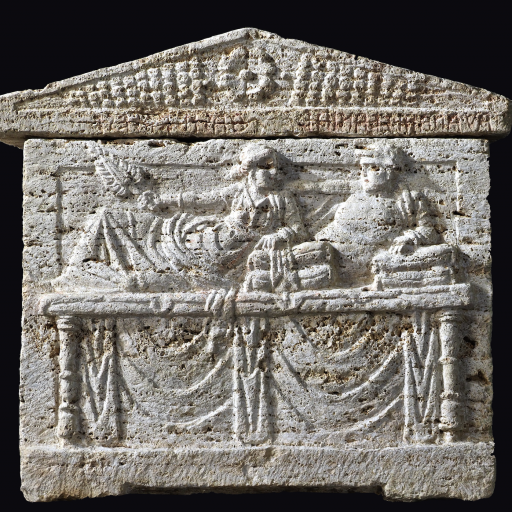
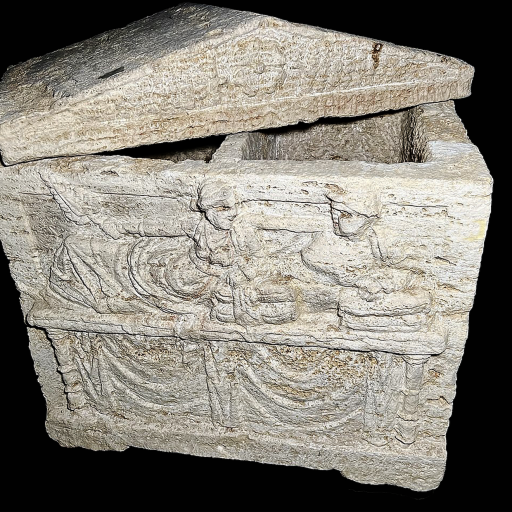
Di particolare interesse l’urna con una delle più antiche rappresentazioni di flauto traverso, la cui musica è suggestivamente riprodotta all’Antiquarium (51) e l’urna di Aule Anani e Fasti Vetesi (63) con scena di banchetto sulla cassa. La cassa è divisa internamente per ospitare le ceneri di entrambi i coniugi, uniti intimamente nella vita come nella morte.
Analisi antropologiche, testimonianze epigrafiche ed iconografiche attestano l’uso, diffuso anche a Perugia, di urne bisome (destinate in genere ai due coniugi), talvolta con la raffigurazione degli sposi teneramente abbracciati sul coperchio per celebrare non solo una vita affettiva consapevolmente condivisa e manifestata pubblicamente, ma anche la convinzione profonda che l’unione coniugale possa sopravvivere oltre il tempo e la vita stessa.
Immagini:
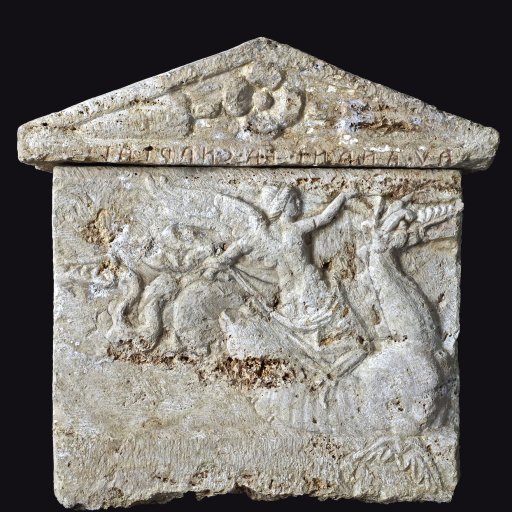
- Urna 38.
- Urna 51.
- Urna 51, disegno tratto da G.C. Conestabile, G.B. Vermiglioli, Dei Monumenti di Perugia etrusca e romana, Perugia, 1855-1870.
- Urna 63.
- Interno urna 63.
Anani
Two in one Urn and the Music of the Etruscans
Between 1843 and 1848, two tombs belonging to the same family, which flourished during the second–first centuries BC, were discovered in the Palazzone necropolis.
Of the fifteen urns originally deposited, twelve survive and nine are displayed on the stepped platforms within the Hypogeum of the Volumni family.
It has been suggested that the two hypogea were originally intended to accommodate separate male and female burials, a practice also attested elsewhere in the Perugian necropoleis. Other considerations, however, must subsequently have prevailed. The smaller tomb contains three women, all bearing the praenomen Fasti (including 22), together with the husband of one of them, Arnth Anani, husband of Fasti Lachumni. The larger tomb, occupied predominantly by male burials, also contains one double urn (63) for a married couple.
The son of Arnth Anani and Fasti Lachumni, both buried in the smaller hypogeum, Larth (6), and his paternal grandfather (the father of Fasti‘s husband) were instead interred in the larger tomb. Since this hypogeum was used mainly for male burials, reconstructing the complete family tree is extremely difficult, apart from the identification of pairs of brothers.
The urns of the Anani family are generally simple in appearance and only rarely decorated. One exception is urn 22, belonging to Fasti L(a)ch(umni) Cemuriś puia, whose chest is carved with a Gorgon’s head flanked by two amphorae. As is well known, the severed head of Medusa, presented by Perseus to Athena, retained its power to petrify with a single glance and symbolised death itself. Once placed upon the goddess’s aegis, however, it became an invincible weapon and a powerful protective emblem for gods, heroes and mortals alike.
Particularly noteworthy is urn 51, which bears one of the earliest known representations of a transverse flute, whose music is evocatively recreated in the Antiquarium. Also of special interest is the double urn of Aule Anani and Fasti Vetesi (63), decorated on the chest with a banqueting scene. The chest is internally divided to accommodate the cremated remains of both spouses, united in death as they had been in life.
Anthropological evidence, together with epigraphic and iconographic sources, demonstrates that double urns—generally intended for married couples—were also widely used at Perugia. In some cases, the lid depicts husband and wife embracing tenderly, celebrating not only a consciously shared and publicly acknowledged married life, but also the profound belief that the marital bond could endure beyond time and even beyond death itself.
Images:
- Urn 38.
- Urn 51.
- Urn 51, drawing from G.C. Conestabile, G.B. Vermiglioli, Dei Monumenti di Perugia etrusca e romana, Perugia, 1855-1870.
- Urn 63.
- Inside of Urn 63.
Galleria fotografica (scorri)
24 September 2026
1 urna 38
24 September 2026
2 urna 51
24 September 2026
2bis
24 September 2026
3 disegno urna 51
24 September 2026
4 urna 63
24 September 2026
5 interno urna 63
Ultimo aggiornamento
29 Settembre 2026, 15:50