 Musei nazionali di Perugia – Direzione regionale Musei nazionali Umbria
Le tombe/Tombs 25, 62, 65, 68, 69, 72, B, D-I
Le tombe 25, 62, 65, 68, 69, 72, B, D-I
III – I sec. a.C.
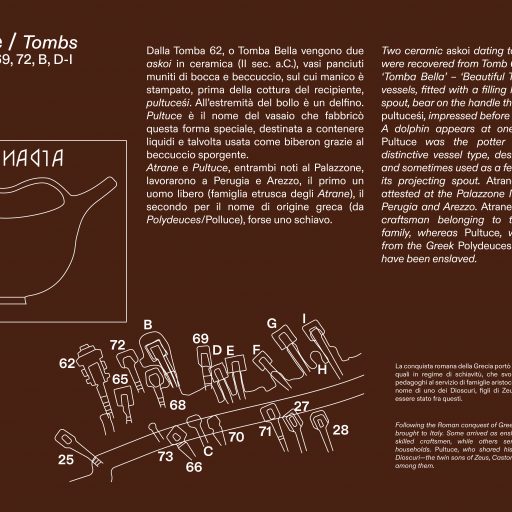
Dalla tomba 62, o Tomba Bella vengono due askoi in ceramica (II sec. a.C.), vasi panciuti muniti di bocca e beccuccio, sul cui manico è stampato, prima della cottura del recipiente, pultuceśi. All’estremità del bollo è un delfino. Pultuce è il nome del vasaio che fabbricò questa forma speciale, destinata a contenere liquidi e talvolta usata come biberon grazie al beccuccio sporgente. Atrane e Pultuce, entrambi noti al Palazzone, lavorarono a Perugia e Arezzo, il primo un uomo libero (famiglia etrusca degli Atrane), il secondo per il nome di origine greca (da Polydeuces/Polluce), forse uno schiavo.
La conquista romana della Grecia portò in Italia merci e uomini, alcuni dei quali in regime di schiavitù, che svolsero lavori artigianali o furono pedagoghi al servizio di famiglie aristocratiche. Pultuce, che ha lo stesso nome di uno dei Dioscuri, figli di Zeus, Castore e Polluce, potrebbe essere stato fra questi.
Immagini:
- La necropoli del Palazzone: pannello nell’area archeologica.
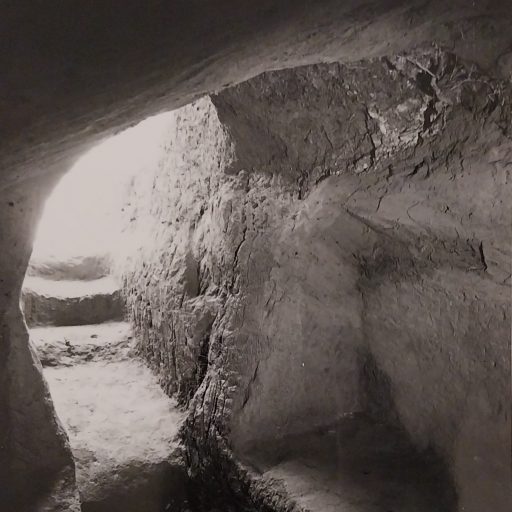
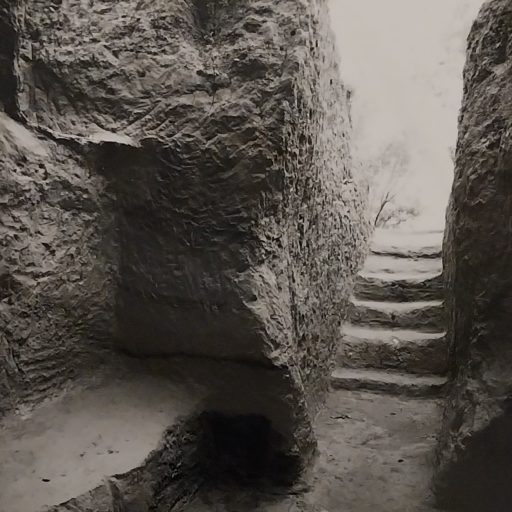
2-3. Le tombe 65, 72 in corso di scavo (agosto 1966)
Tombs 25, 62, 65, 68, 69, 72, B, D-I
3rd – 1st century BC
Two ceramic askoi dating to the 2nd century BC were recovered from Tomb 62, also known as the ‘Tomba Bella’ – ‘Beautiful Tomb’. These rounded vessels, fitted with a filling hole and a projecting
spout, bear on the handle the stamped inscription pultuceśi, impressed before firing. A dolphin appears at one end of the stamp. Pultuce was the potter who produced this distinctive vessel type, designed to hold liquids and sometimes used as a feeding bottle thanks to its projecting spout. Atrane and Pultuce, both attested at the Palazzone Necropolis, worked in Perugia and Arezzo. Atrane was probably a free craftsman belonging to the Etruscan Atrane family, whereas Pultuce, whose name derives from the Greek Polydeuces (Pollux in latin), may have been enslaved.
Following the Roman conquest of Greece, both goods and people were brought to Italy. Some arrived as enslaved individuals and worked as skilled craftsmen, while others served as tutors in aristocratic households. Pultuce, who shared his name with Pollux, one of the Dioscuri – the twin sons of Zeus, Castor and Pollux – may well have been among them.
Images:
- The Palazzone Necropolis: panel in the archaeological area.
2-3. Tombs 65, 72 during excavation (August 1966)
Galleria fotografica (scorri)
14 October 2026
1. La necropoli del Palazzone: pannello nell’area archeologica.
14 October 2026
2-3. Le tombe 65, 72 in corso di scavo (agosto 1966)
14 October 2026
2-3. Le tombe 65, 72 in corso di scavo (agosto 1966)
Ultimo aggiornamento
23 Ottobre 2026, 09:32